How to Build a Stand-Out LinkedIn Profile: The 9-Part Playbook
Mar 02, 2025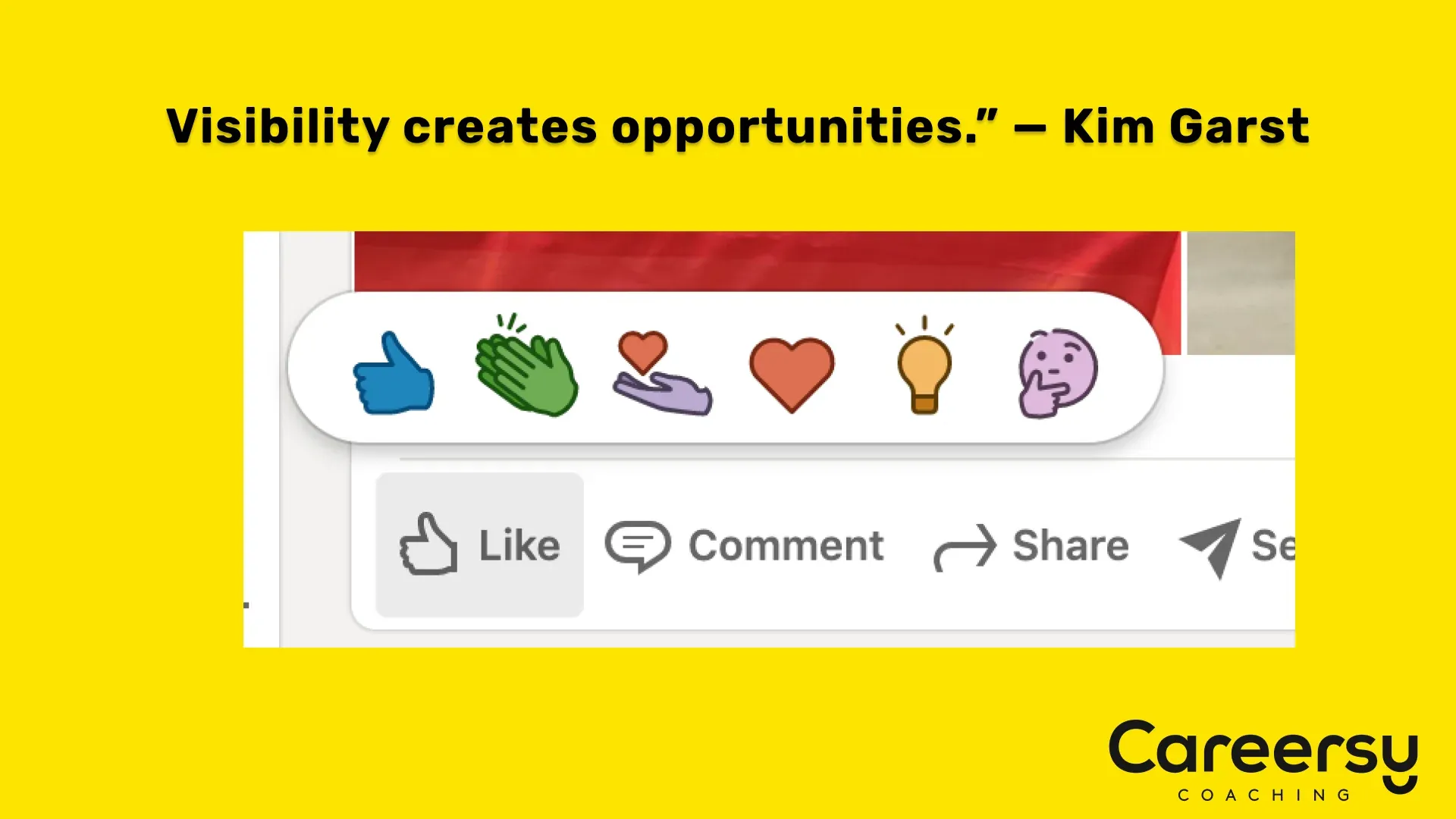
Your LinkedIn profile is doing one of two things right now. Working for you around the clock, putting you in front of people who hire. Or sitting there like a resume you uploaded once and forgot. For most people it is the second one, and they have no idea how much it is costing them.
The fix is to stop treating the profile as a document and start treating it as a system, where every part has a job and they all point the same way: toward a recruiter deciding you are worth a message. Here is the nine-part version, with the deeper dives linked where you want them.
1. Start from what you want the visitor to do
Before you touch a single section, answer one question. When a recruiter lands here, what do I want to happen. Everything flows from that. The profile should make three things obvious fast: who you are and what you specialise in, the impact you have had, and how to take the next step with you. If a section does not serve one of those, it is decoration.
2. Get the visuals right
Two things, both quick. Your banner is free advertising space, so use it to say what you do and the proof, not a stock skyline. Your photo is your first impression, so make it clear, recent, and approachable. A modern phone in good light is enough. The detail on each section sits in the section-by-section guide.
3. Write a headline that does work
The line under your name shows up everywhere and gets read first. Lead with who you are and the proof, not a slogan. A few shapes that work:
- The value statement: "Software Engineer | Building scalable systems for fintech"
- The proof hook: "Cloud Architect | Cut AWS costs 50 percent at scale"
- The specialisation line: "Senior Data Scientist | Helping fintech teams ship AI they can trust"
4. Use Featured as your portfolio
This is where claims become proof. Pin the evidence: a project, a repo, a talk, a piece of writing, a case study. Keep it few and on point. When someone wonders whether you are the real thing, this is the section that answers without a word from you.
5. Make the About section a story, not a summary
You get around 2,600 characters and most people waste them on duties. Use the shape that works: what drew you to the work, the problems you like solving, the impact you have had, and how to reach you. Write it in plain first person, the way you would explain your job to a smart person who does not do it.
6. Turn Experience into a record of impact
Stop pasting your resume duties. Each role should carry a few outcomes with numbers, in the language of the work you want next. Name your stack plainly so it is searchable. If you are early career, internships, hackathons, and open-source count, so lead with what you built.
7. Post, so you stay visible
A static profile waits to be found. An active one stays in front of people. You do not need to be an influencer. A thoughtful comment here, an occasional post there, lessons from your actual work. It keeps you warm in the feed of the people who might hire you.
8. Get recommendations
Tech hiring runs on trust, and a specific recommendation buys trust fast. Ask after a big project or a stretch of close work, while it is fresh. Nudge people toward what you want shown: how you solved something, how you led, what you shipped. A few strong ones beat a wall of generic praise.
9. Go beyond your own profile
Half the game happens off your page. Comment with something real on the posts of people in your field. Show up in the groups and events where your next role lives. This is also how connection requests actually get accepted, which I covered here.
The 60-second checklist
- Banner: clean, on-brand, says what you do
- Photo: clear, recent, approachable
- Headline: role, specialisation, proof
- Featured: real evidence, kept tight
- About: a story, in first person
- Experience: outcomes with numbers
- Skills: named plainly, so search finds them
- Recommendations: asked for after big work
- Activity: a comment or post you would not be embarrassed by
- Freshness: updated every couple of months
Then keep it alive
A profile is not a one-time setup. Update it every couple of months as your work changes. Check your analytics to see what is landing. And if you want to make sure recruiters can even find you in the first place, that is a separate and more basic job, the search fields they actually query, which I broke down here.
The question is not whether your profile looks fine. It is whether it is working while you sleep, or waiting for a search that never comes.
If you want a professional rebuild, the Complete LinkedIn Profile Review and Makeover gives you a section-by-section pass tailored to you.
Stay Sharp Between Applications
Join 1,000+ ambitious tech pros and get one practical, recruiter-backed career tip every Sunday to help you land interviews, negotiate offers, and grow in your role.
No fluff. No spam. Just real advice from inside the hiring room.
We hate SPAM. We will never sell your information, for any reason.